TCPendant
A compact aluminum thermal pendant powered by an ESP32, custom high-current PCB driver stage, and a React Native mobile control app via BLE.
System Overview
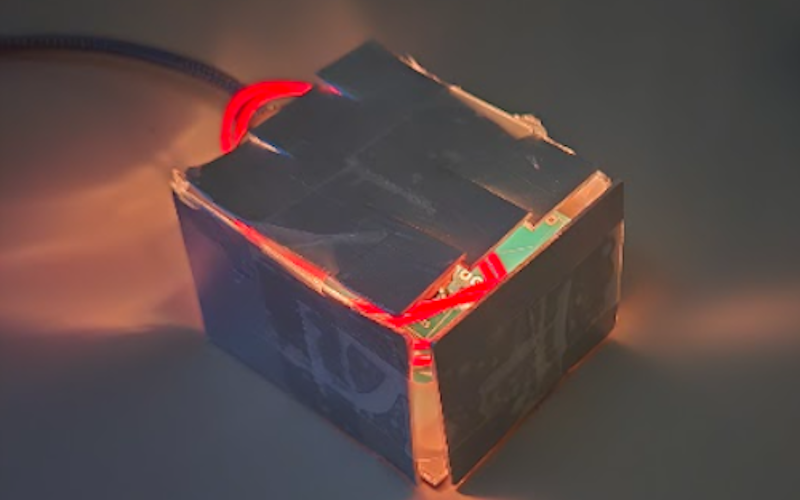
Thermal Core Pendant (TCPendant) is an embedded hardware project integrating precision thermal regulation, custom power switching electronics, and mobile connectivity within a hand-machined aluminum enclosure.
The system bridges high-power switching (heating elements and addressable/PWM LED arrays) with low-power wireless control. An onboard ESP32 runs custom C++ firmware managing real-time PWM output, thermal sensing feedback, and GATT BLE server tasks, while a companion mobile application handles remote control and status telemetry.
Hardware Architecture & Power Electronics
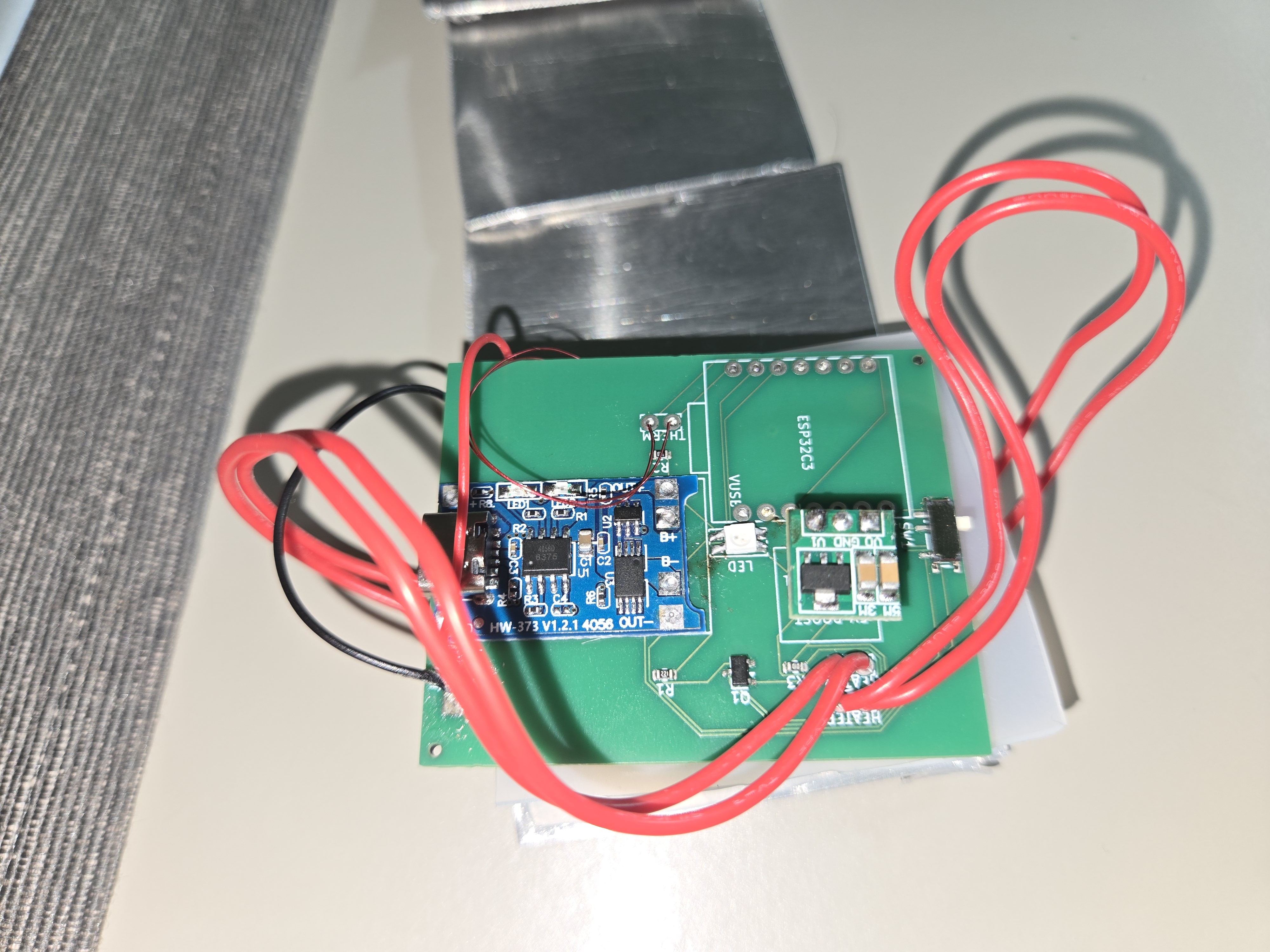
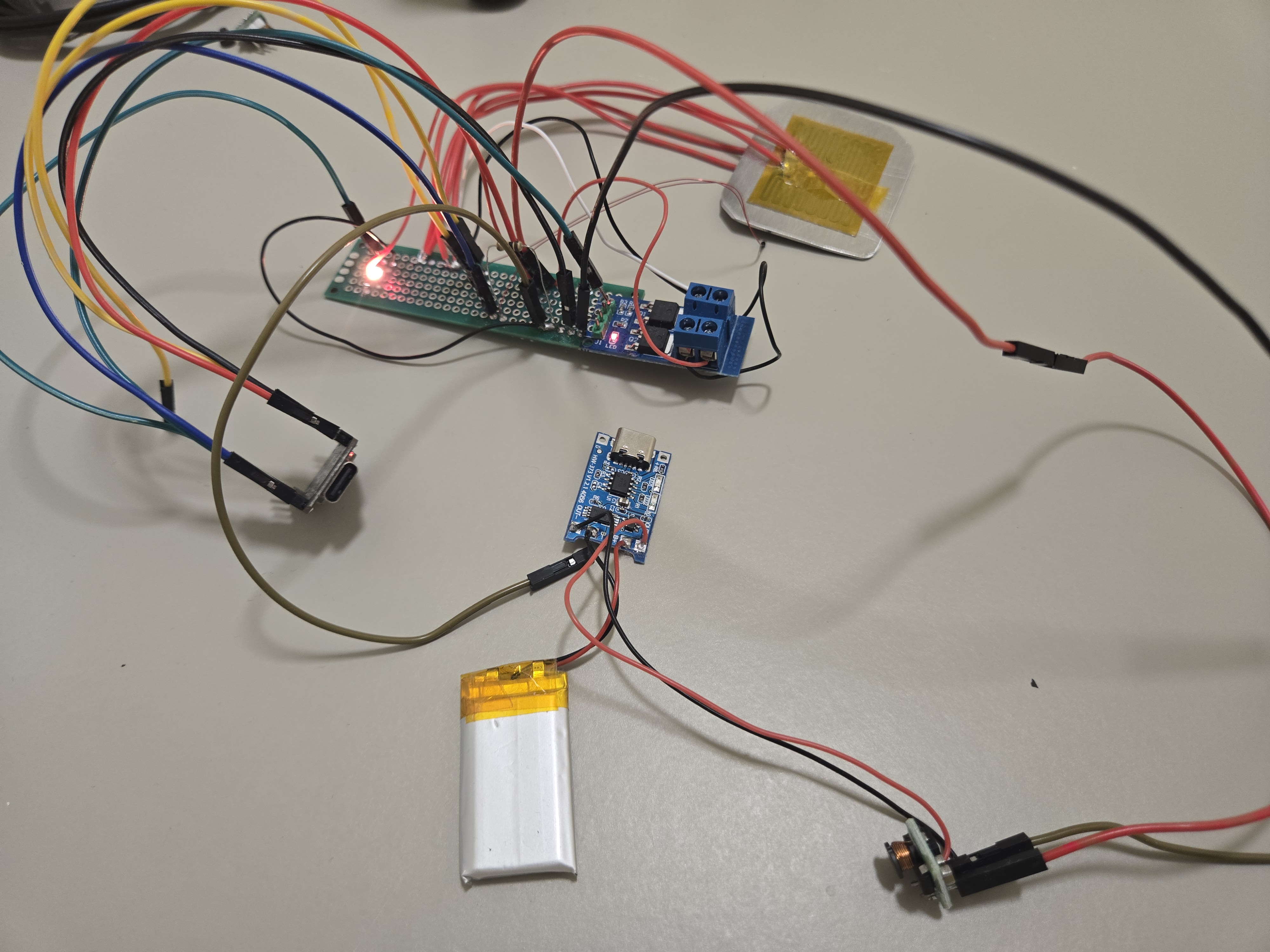
The physical build evolved from a rapid perfboard proof-of-concept into a surface-mount custom PCB configured to drop directly into the machined aluminum body:
Thermal & Enclosure Design
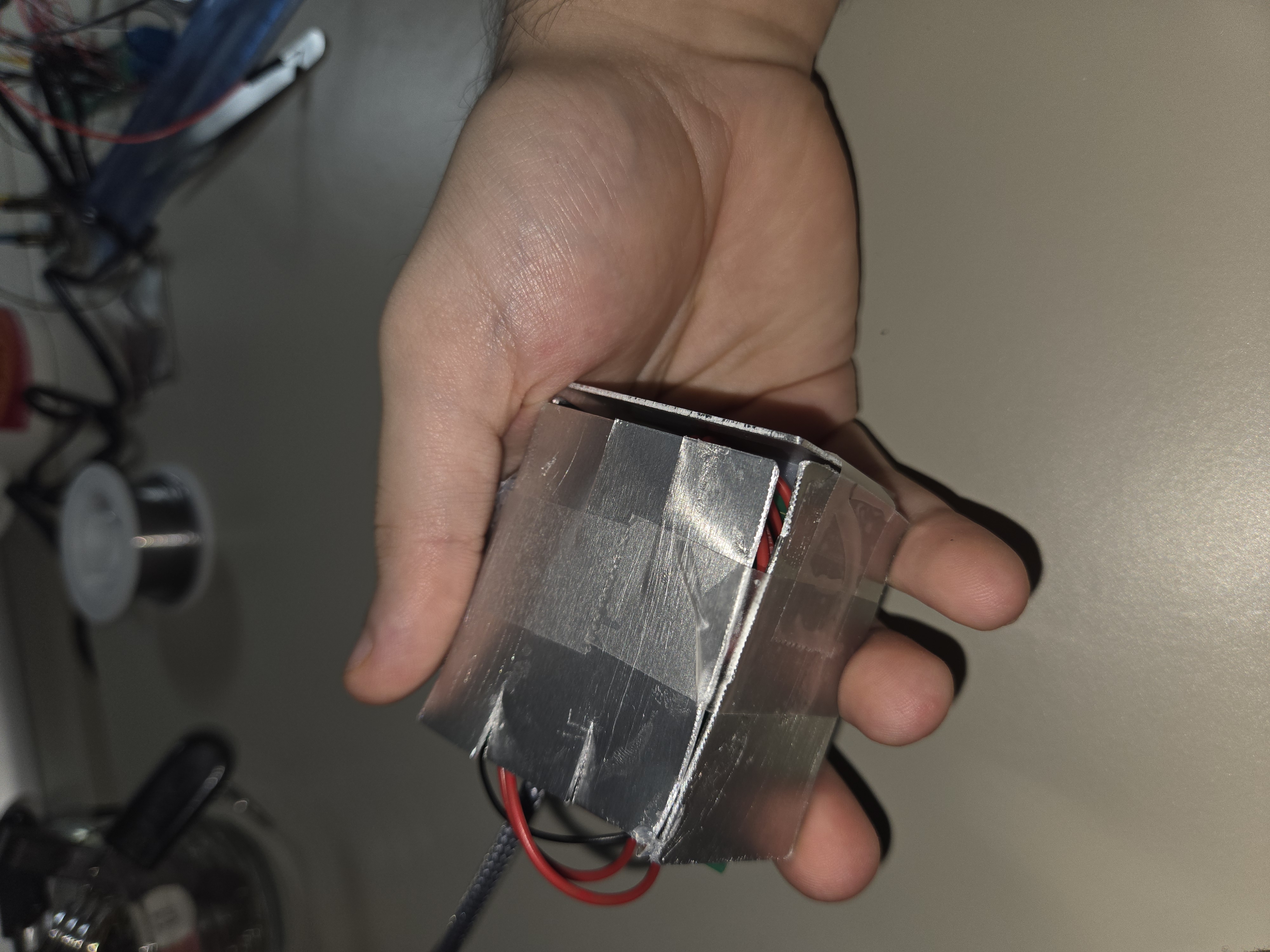
The aluminum casing serves dual roles as a protective aesthetic shell and a primary heatsink/thermal dissipation surface. Mechanical clearances were kept under 0.5mm tolerances to maximize direct conductive contact with internal heating elements while isolating sensitive logic ICs.
MOSFET Switching & Gate Drive
Thermal regulation is handled via low-side N-channel power MOSFET switching. Tuning the gate drive circuit was critical—mitigating gate capacitance issues (Qg) to ensure fast rise/fall times directly from 3.3V logic levels without dropping the FET into its linear region, keeping RDS(on) losses and thermal runaway to a minimum.
Scale & Form Factor
Machined aluminum body relative to scale and internal optic profile.
Custom PCB Layout
Integrated low-side MOSFET drivers, LED regulation, and power pathing.
Perfboard Validation
Initial breadboard and perfboard stage verifying BLE stack and driver logic.
Firmware & BLE Protocol
The ESP32 firmware manages non-blocking execution loops to maintain steady BLE responsiveness while driving high-frequency PWM channels:
- Custom BLE GATT Server: Exposes dedicated service UUIDs for realtime control. Handles atomic write commands for brightness, animation modes, and duty cycles.
- Thermal Safety Safeguards: Embedded safety limits and duty-cycle throttling prevent thermal overload when operating in enclosed pockets.
- Lighting Engine: Low-latency transition calculations between discrete color modes and dynamic ambient animations.
Mobile App Interface (TCPendantApp)
Built with React Native, the mobile application provides direct, full-duplex communication with the pendant over BLE:
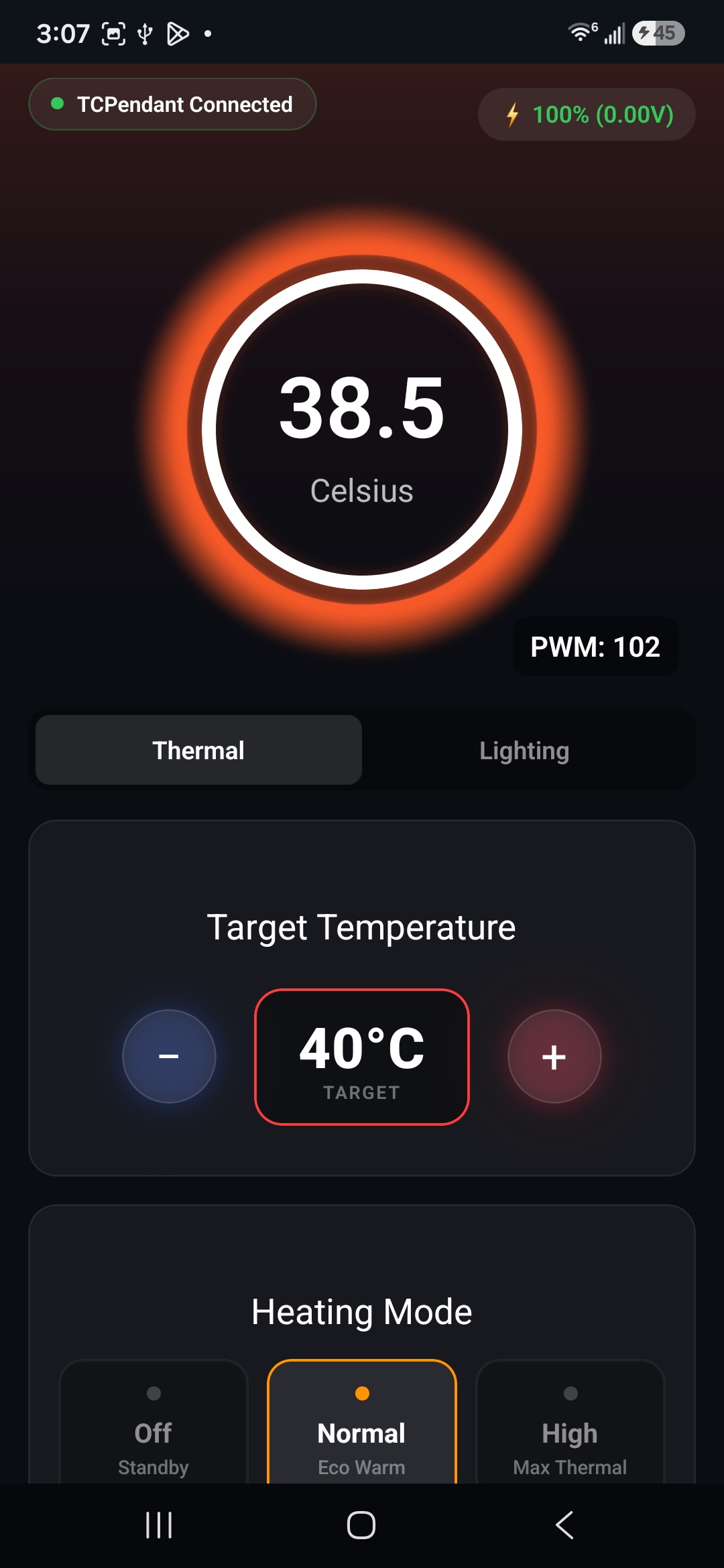
ConnectionBanner: Monitors RSSI, handles automatic reconnection logic, and displays live connection states.LEDBrightnessControls: Real-time slider and preset input mapped to 8-bit / 10-bit hardware PWM resolution.LEDAnimationControls: Mode switches driving pattern generators on the local hardware.
React Native Interface
Custom React Native UI showing ConnectionBanner state, animation modes, and LED control sliders.
Engineering Challenges & Lessons Learned
FET Thermal Management: Early revisions suffered from high switching losses when driving low-threshold MOSFET gates directly from 3.3V microcontrollers without proper gate pull-down resistors and driver stages. Correcting gate switching speed drastically reduced idle heat.
Enclosure Isolation: Machining aluminum required exact component height planning. Thermally coupling the heat element to the chassis while keeping high-frequency microcontrollers isolated required strategic placement of thermal pads and ground planes on the PCB.
BLE State Synchronization: Handled cross-platform BLE packet drop issues by implementing state acknowledgment and throttle-debouncing in React Native before pushing rapid slider updates to the hardware.
Current Revision & Roadmap
v1 Status: Fully functional hardware housed in aluminum casing with stable BLE connectivity, custom React Native app control, and working LED lighting modes.
v2 Planned: Redesigning the main PCB to incorporate inline current sensing (INA series IC) for closed-loop power monitoring, upgrading to an active PID thermal control loop, and refining the enclosure milling process for tighter seam sealing.